Recurring Miscarriage Tests
Experiencing more than one miscarriage can be emotionally and physically difficult. At SkinSense, we offer thorough testing to help identify possible causes of recurrent pregnancy loss and provide guidance for future pregnancies.
Our approach is supportive, private, and medically informed, with a focus on understanding your individual experience and offering care tailored to your needs.
Procedure
Recurrent miscarriage testing aims to explore potential underlying reasons for repeated pregnancy loss. These may include:
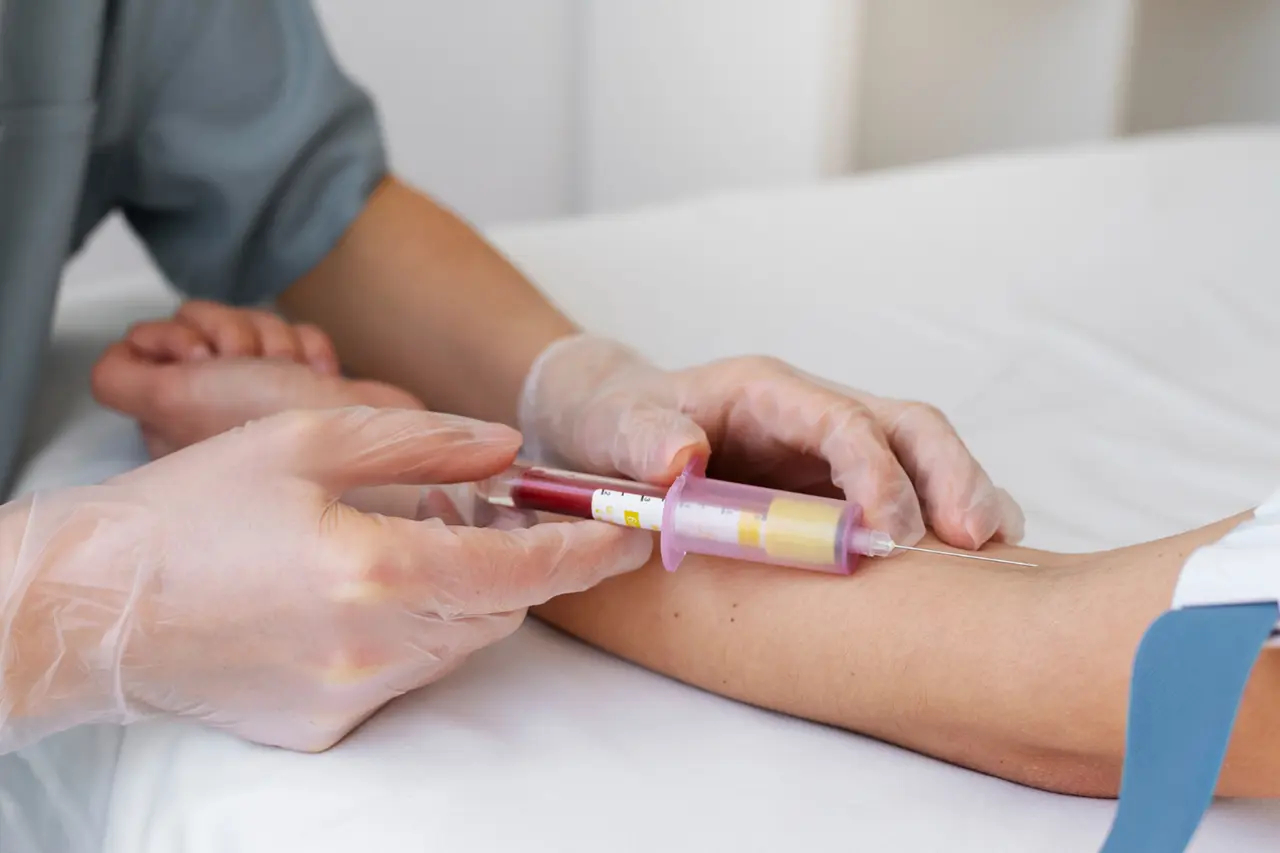
- Blood tests to assess for:
- Hormonal imbalances (e.g. thyroid issues, progesterone levels)
- Autoimmune conditions (e.g. antiphospholipid syndrome)
- Blood clotting disorders (thrombophilia screening)
- Genetic testing to look for chromosomal abnormalities in either parent that may affect pregnancy
- Imaging tests, such as pelvic ultrasound or hysterosalpingography, to examine the structure of the uterus and detect any physical abnormalities
Not all patients will need the same set of tests. We tailor the investigations to your medical history and previous experiences.
What to Expect at the Clinic:
- Initial Consultation
On arrival, you’ll complete a detailed medical history form. We’ll discuss your past pregnancies, any known health conditions, and the timeline of previous miscarriages. - Recommended Tests
Based on your history, your doctor will explain which diagnostic tests are appropriate. These may include blood samples, ultrasound scans, or referrals for specialised genetic testing. - Support and Guidance
Throughout the process, we offer both medical guidance and emotional support, acknowledging that recurrent miscarriage is often distressing. - Follow-Up Appointment
Once your test results are available (usually within a few days to weeks, depending on the tests), we will schedule a follow-up consultation to review the findings and discuss any further steps, such as treatment, lifestyle adjustments, or referrals to a fertility specialist if needed.
Price
Recuring Miscarriage Test FAQ's
1. What is meant by “recurring miscarriage tests”?
These are investigations offered after you have had two or more pregnancy losses (miscarriages) to look for possible causes. Guidance from the Royal College of Obstetricians and Gynaecologists (RCOG) suggests that for recurrent miscarriage you should be offered certain tests such as blood tests, scans and possibly genetic investigations. RCOG+2The Miscarriage Association+2
2. Who is this testing service for?
It’s for individuals or couples who have experienced multiple miscarriages (commonly 2 or more) and want to investigate underlying causes so they can plan and prepare for future pregnancies with better support.
3. What kinds of tests may be included?
Typical investigations may include:
- Blood tests: for example thyroid function, antiphospholipid antibodies (APS/clotting disorders) and other hormonal or immunological factors. RCOG+1
- Scan of the uterus: to check for structural abnormalities of the womb. RCOG
- Genetic testing: for chromosome abnormalities in the pregnancy tissue or in the parents if needed. Gloucestershire Hospitals NHS Trust+1
4. What happens at the first consultation?
You will meet with a GP or relevant specialist to review your full medical, pregnancy and miscarriage history, discuss risk factors, and decide which tests are appropriate for you. The clinic will explain the process, what will be tested, how long it may take and what happens next.
5. How long will results take and what happens afterwards?
Time-frames vary depending on the test. After results are in, the doctor will meet with you (or arrange a follow-up) to go through the findings, discuss any identified risks and plan next steps — which might include treatment, monitoring in future pregnancies, lifestyle changes and referrals if required.
6. What if the tests find nothing abnormal?
It is important to know: in many cases, even after full investigation, no definite cause is found. Doc Library In that scenario the approach is still to offer supportive care in future pregnancies (monitoring, good pre-pregnancy health, early scans, etc).
7. How should I prepare before the tests?
- Bring your full medical and pregnancy history.
- Be ready to discuss any health conditions, medications, lifestyle factors (e.g., smoking, body-weight, alcohol).
- The clinic may ask you to stop or adjust certain medications or supplements, or ensure you’re using folic acid and/or vitamin D if planning pregnancy.
- Note: some tests may require you to fast or to wait a certain time after a miscarriage — you’ll be guided by the clinic accordingly.
8. When should I contact the clinic about this?
If you have had two or more miscarriages and would like specialist investigation/support, you can contact the Skin Sense GP Clinic in Chelmsford to arrange an appointment. They offer private GP services including relevant diagnostics. Dovesoft Tech+1
9. How private and confidential is the service?
The clinic is a private GP service registered with the Care Quality Commission (CQC) in England which indicates they meet required standards of safety and confidentiality. Care Quality Commission+1
10. What are the costs?
Costs for such investigations vary depending on the number and type of tests, the consultation length and any additional referrals or scans needed. You will need to ask the clinic directly for their current pricing and what is included in your package.
Gallery