Prenatal Paternity DNA Test
Determining paternity during pregnancy can provide important clarity and peace of mind. At SkinSense, we offer non-invasive prenatal paternity testing, allowing for the confirmation of biological fatherhood early in pregnancy with no risk to the mother or baby.
Procedure
Non-Invasive Prenatal Testing (NIPT) is a screening test that analyzes a small sample of the mother’s blood to assess the likelihood of certain genetic conditions in the baby. It is completely non-invasive and poses no risk to the pregnancy.
NIPT can detect common chromosomal conditions such as:
- Down syndrome (Trisomy 21)
- Trisomy 18
- Trisomy 13
- And other select genetic conditions
The test can be performed as early as 10 weeks into pregnancy and is known for its high accuracy—particularly for Down syndrome—with detection rates over 99%.
What to Expect at the Clinic:
When you visit our clinic for NIPT, the process is straigahtforward:
- Medical History Review
You’ll be asked to complete a brief medical history form. Our team will review your pregnancy details and discuss the purpose and scope of the test. - Discussion and Consent
We’ll explain the NIPT procedure, what the test can and cannot tell you, and answer any questions you may have. Once you’re comfortable, you’ll be asked to provide written consent. - Blood Sample Collection
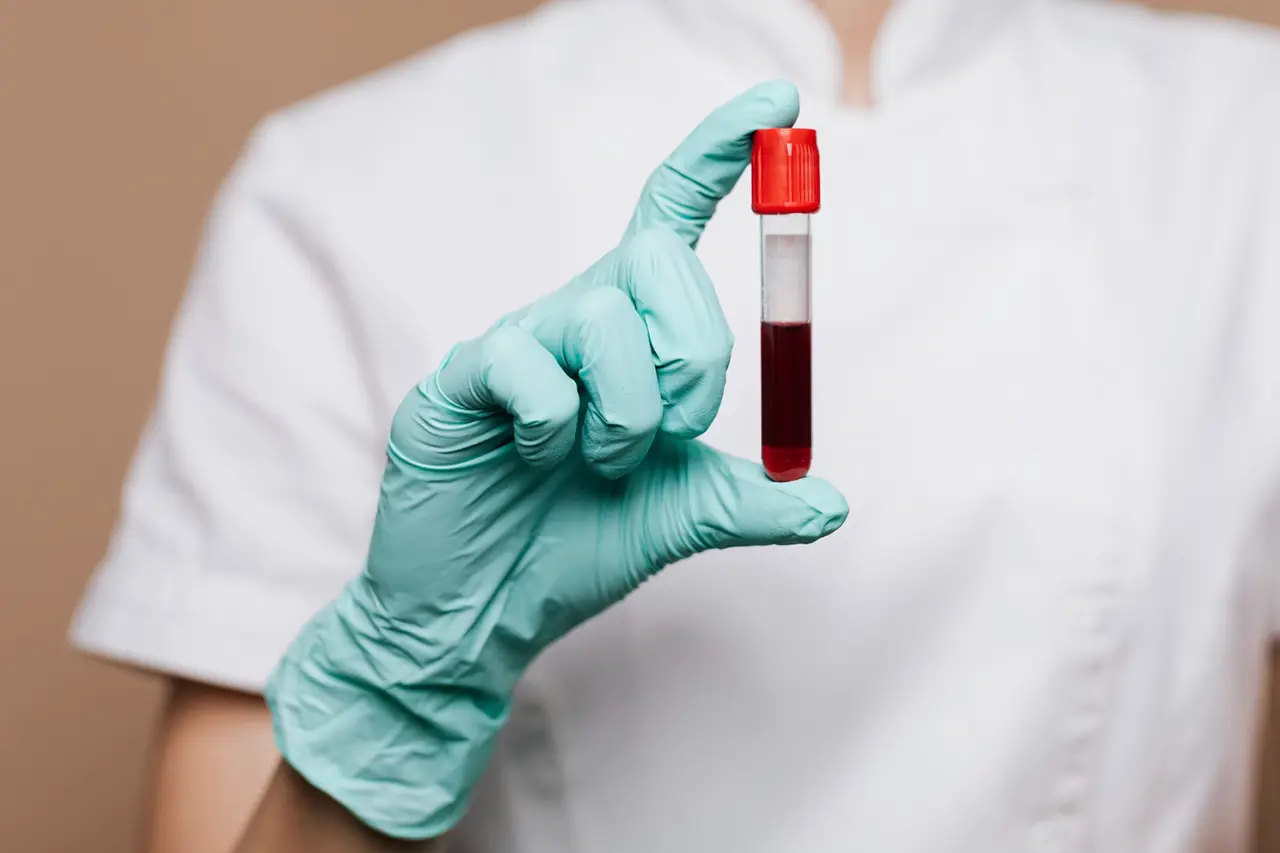
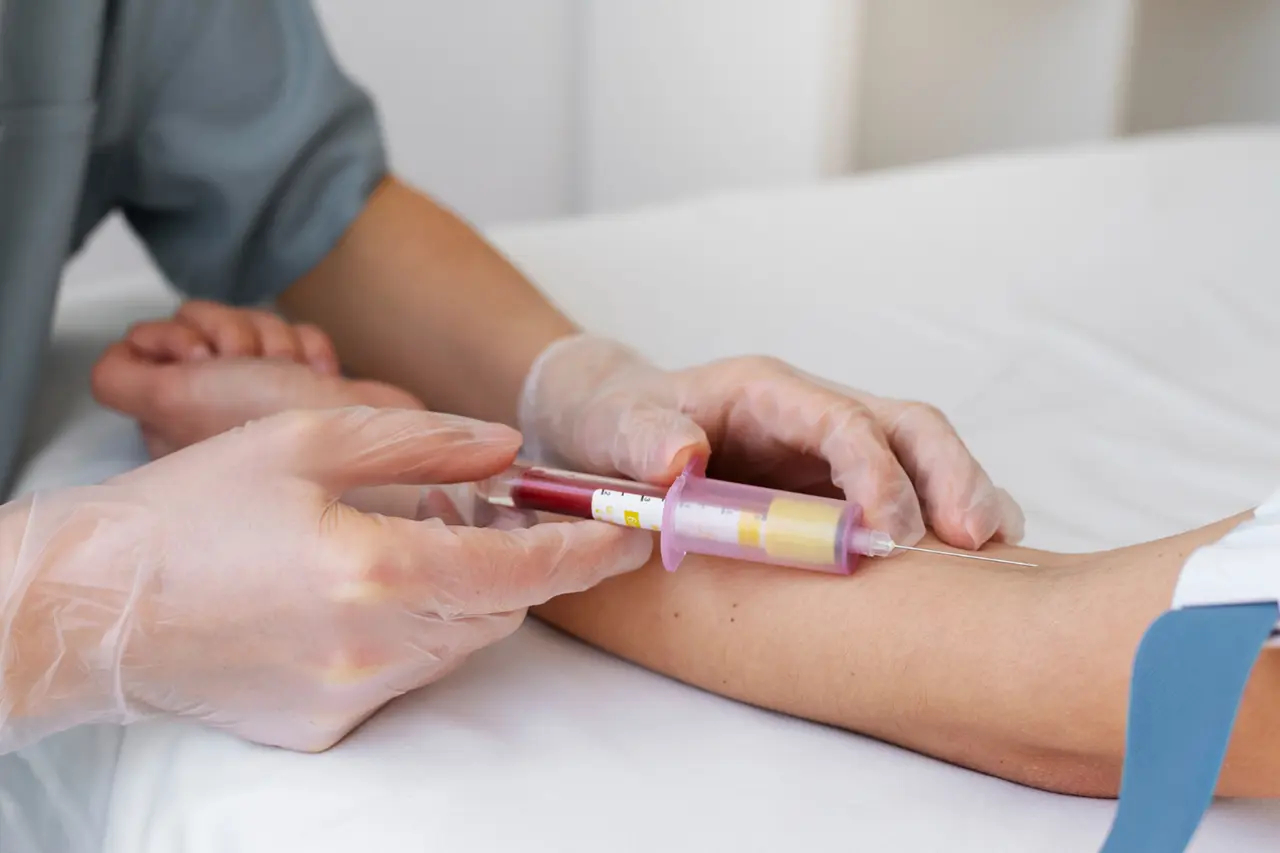
A small blood sample will be drawn from your arm. This is a simple and quick procedure. - Lab Analysis
The sample is sent to a certified laboratory where fetal DNA is analyzed for chromosomal conditions. - Results and Follow-Up
Results are usually available within 7 to 10 days. A follow-up appointment will be scheduled to review the findings and discuss any next steps if needed.
Price
FAQ's
What conditions does NIPT screen for?
NIPT primarily screens for Down syndrome (Trisomy 21), Trisomy 18, Trisomy 13, and some other chromosomal abnormalities.
Is the test safe for the baby?
Yes. NIPT is non-invasive and only requires a blood sample from the mother—there is no risk to the baby.
How accurate is the test?
NIPT has a high detection rate, especially for Down syndrome, with accuracy exceeding 99%. However, it is a screening test, not a diagnostic one.
When can I have the test?
You can have NIPT from the 10th week of pregnancy onwards.
Do I need to do anything to prepare?
No special preparation is needed. Just ensure you’re at least 10 weeks pregnant at the time of the test.
Does NIPT detect all genetic disorders?
No. NIPT is designed to screen for the most common chromosomal conditions. It does not detect all genetic or inherited disorders. Further testing may be recommended based on your health history or test results.
Note: If you have any questions about NIPT or would like to schedule an appointment, our team is here to support you at every step.
Gallery